
How window placement can make or break your home design
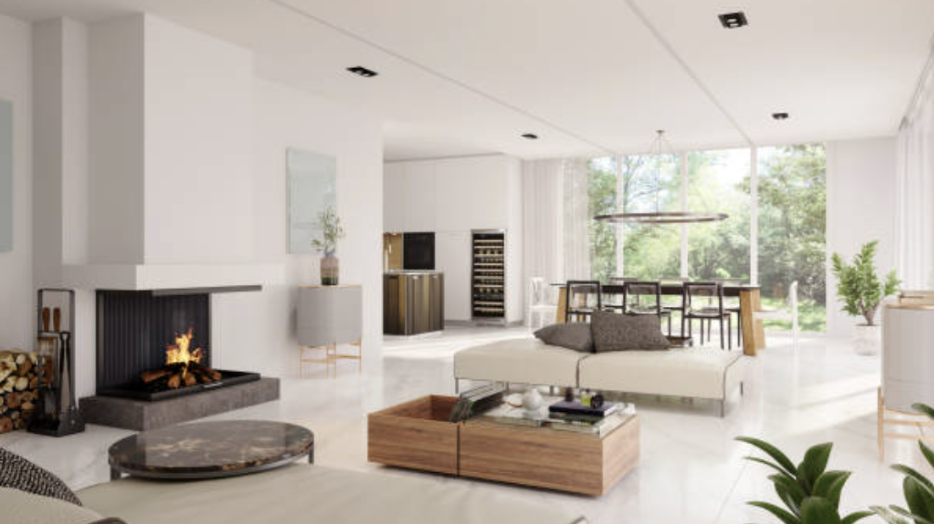
Windows decide how a room feels before any furniture goes in. Get the placement right and a modest room feels bright and open. Get it wrong and you’re living with a dark kitchen, a bedroom the whole street can see into, or a living room that cooks every July. If you’re renovating, extending, or replacing windows in a London home, placement deserves as much thought as the frames themselves.
Start with orientation
The single biggest factor is which way each wall faces. South facing walls get direct sun most of the day, north facing walls get steady indirect light, east catches the morning, west catches the afternoon and evening. (We’ve explained the why in our south facing windows guide.)
That maps neatly onto how rooms get used. Kitchens and breakfast rooms suit east light. Living rooms and garden rooms suit south and west, where the light lasts into the evening. Bedrooms often work better facing east or north — morning light to wake to, and no late sun keeping the room hot at bedtime. Home offices are happiest with north light: bright, even, and no glare on the screen.
You can’t turn the house around, but when you’re choosing where to enlarge a window, add a new one, or put patio doors into an extension, orientation should drive the decision.
Maximise light where you can’t add windows
Plenty of London homes, particularly mid-terraces, only have windows at the front and back. If you can’t add openings, you can still get more from the ones you have. A window style with a higher glass-to-frame ratio, like a modern casement, lets in more light through the same opening. A bay or bow window catches light from three directions instead of one. Inside, a mirror placed opposite a window effectively doubles it, and sheer curtains give you privacy without sacrificing daylight.
For the darkest middle rooms, think upwards: a roof lantern over a kitchen or extension brings in top light all day regardless of which way the house faces.
Frame the view, hide the eyesore
If a window looks onto something worth seeing — a garden, a park, mature trees — make it bigger and keep the framing minimal. A large fixed pane with slim frames turns a view into a feature, and it’s the kind of change buyers remember.
The reverse also applies. A window that stares straight at a neighbour’s wall or the bins doesn’t need to be large. Smaller openings, obscured glass, or a high-level window that brings light in without a sightline all solve the problem.
Privacy on a busy street
Front rooms on London streets have a permanent tension: you want the light, you don’t want every passer-by auditing your living room. Placement helps. Windows set higher in the wall light a room without offering a view in. Obscured or textured glass suits bathrooms and street-facing hallways. For bedrooms above street level, tilt and turn windows tilt inward at the top for ventilation without opening up a sightline, and they’re easy to clean from inside, which matters on upper floors.
There’s a security angle too. Large ground-floor glazing shouldn’t showcase your valuables to the street. Think about what’s visible from the pavement when you’re deciding where glass goes.
Don’t forget the heat
Big glass on the south and west side means warmth in winter and potential overheating in summer. If your design calls for large panes on those elevations, specify solar control glass at the point of ordering. It’s far cheaper than dealing with an uncomfortably hot room afterwards.
Get the placement right first time
Windows are a long-term decision; most of ours carry a 10 year manufacturer warranty and will be in place far longer. We’ve been advising North London homeowners on window choices since 2012 — styles, glass, and where each one makes sense. Get an instant quote or call 020 8800 1838 and we’ll talk it through.