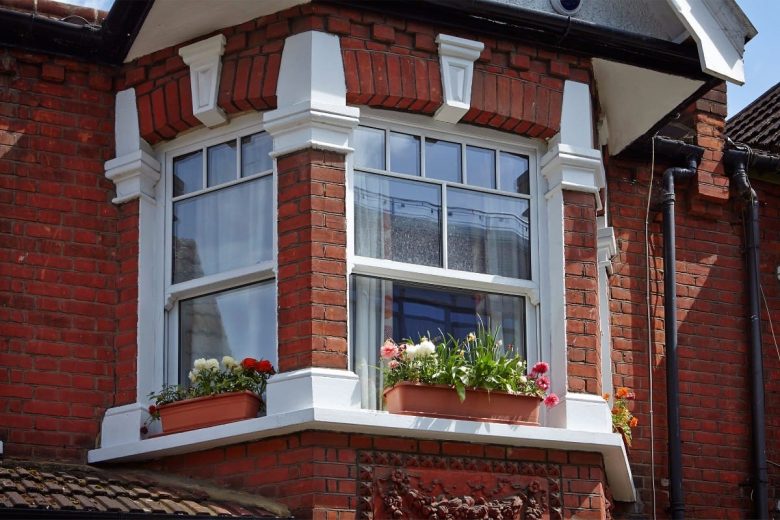
uPVC sliding sash windows are easy to operate and open at the top and bottom, which means you’ll be able to control air flow into your home, while benefitting from outstanding aesthetics and energy-efficiency levels.
Homeowners throughout North London and its associated suburbs continue to be enthralled by the innovative design of uPVC sash windows, which enables them to open at the top and bottom. If you want control over your internal climate during the summer months, our stunning range of uPVC sliding sash windows will fulfill your requirements.
Available in both double and triple glazing format, your windows will prevent much-needed warm air from migrating from your home during colder months, while capably blocking the ingress of harmful cold draughts that could cause a raft of expensive and time-consuming damp-related issues that you’d prefer to avoid.
Although uPVC sliding sash windows open at the bottom and the top, they won’t leave you in a vulnerable position. The technology used in our sash range means that you’ll benefit from locking mechanisms designed to deter even the most ingenious and persistent of intruders attempting to gain access to your home in or near North London.
Frequently asked questions
Are uPVC sliding sash windows any good?
Yes, when the specification is right. Modern uPVC vertical sliders run on spiral or block-and-tackle balances, tilt in for cleaning and meet the 1.4 W/m²K replacement limit. Their weakness is chunkier meeting rails and bars than timber, which good sash-style detailing reduces. Read the full answer
What are some modern alternatives to sash windows?
The main modern alternatives to sash windows are casement windows (including flush casements with sash-style detailing), tilt and turn windows, slimline aluminium windows and fixed lights with a separate vent. The right one depends on cleaning access, ventilation, security and the look of the house. Read the full answer
Should I replace wooden windows with uPVC?
On a modern or unlisted home, usually yes: uPVC needs little maintenance and seals better than ageing timber. Keep timber, or choose a close match, where the home is listed or in a conservation area, because planning rules may restrict uPVC and some timber is worth repairing. Read the full answer
Is it worth replacing 20 year old double glazing?
Often yes, if the units have misted, the frames are warped or draughty, or the hardware is failing. Windows of that age were built to older standards than today's 1.4 W/m²K limit. If the frames are sound and only the glass has failed, replacing the sealed units may be enough. Read the full answer